GIS & Geospatial Services
Our GIS and geospatial services turn complex cultural heritage information into clear, spatially organised insights that support better decisions for Country, communities, and project teams.
Key GIS service offerings
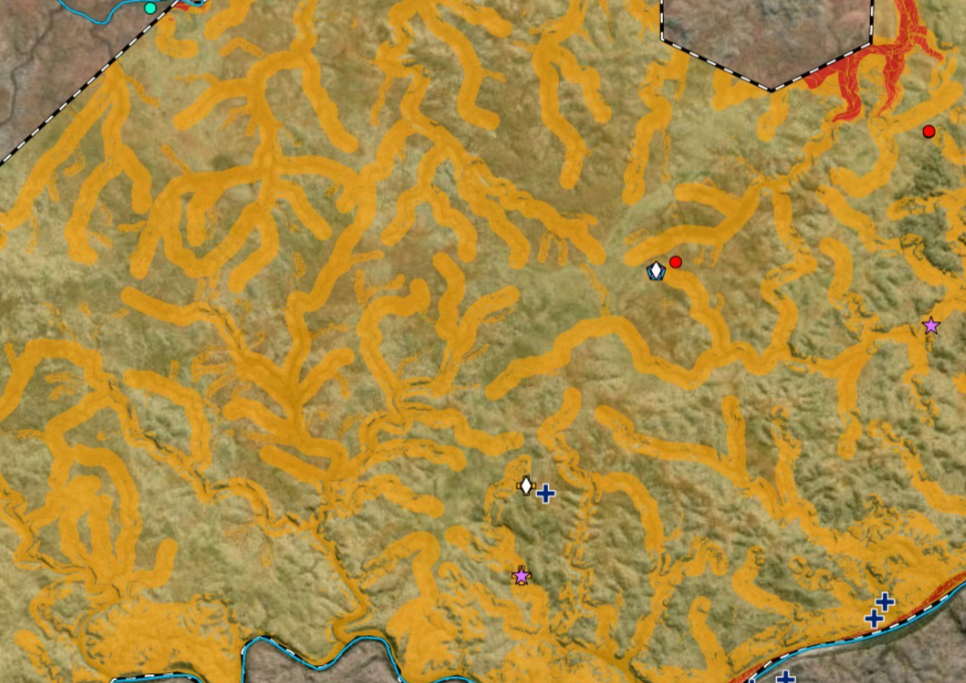
Heritage constraints and approvals mapping
High‑resolution spatial mapping for cultural heritage constraints, duty of care, legislative overlays, and project footprints to support early options analysis, risk assessment, and approvals documentation.Survey, excavation, and monitoring mapping
Structured mapping of survey coverage, test excavations, salvage areas, monitoring points, and observations using standardised schemas, ensuring spatial transparency across all field activities.Heritage spatial database design and management
Design and administration of heritage‑specific geodatabases, including schema development, feature class configuration, domains and relationship classes, and integration with existing corporate GIS and document systems.Data audit, validation, and remediation
Systematic review and clean‑up of existing heritage GIS layers and associated tabular data, covering quality assessments, topology and attribute corrections, standards alignment, and metadata creation.Predictive mapping and sensitivity modelling
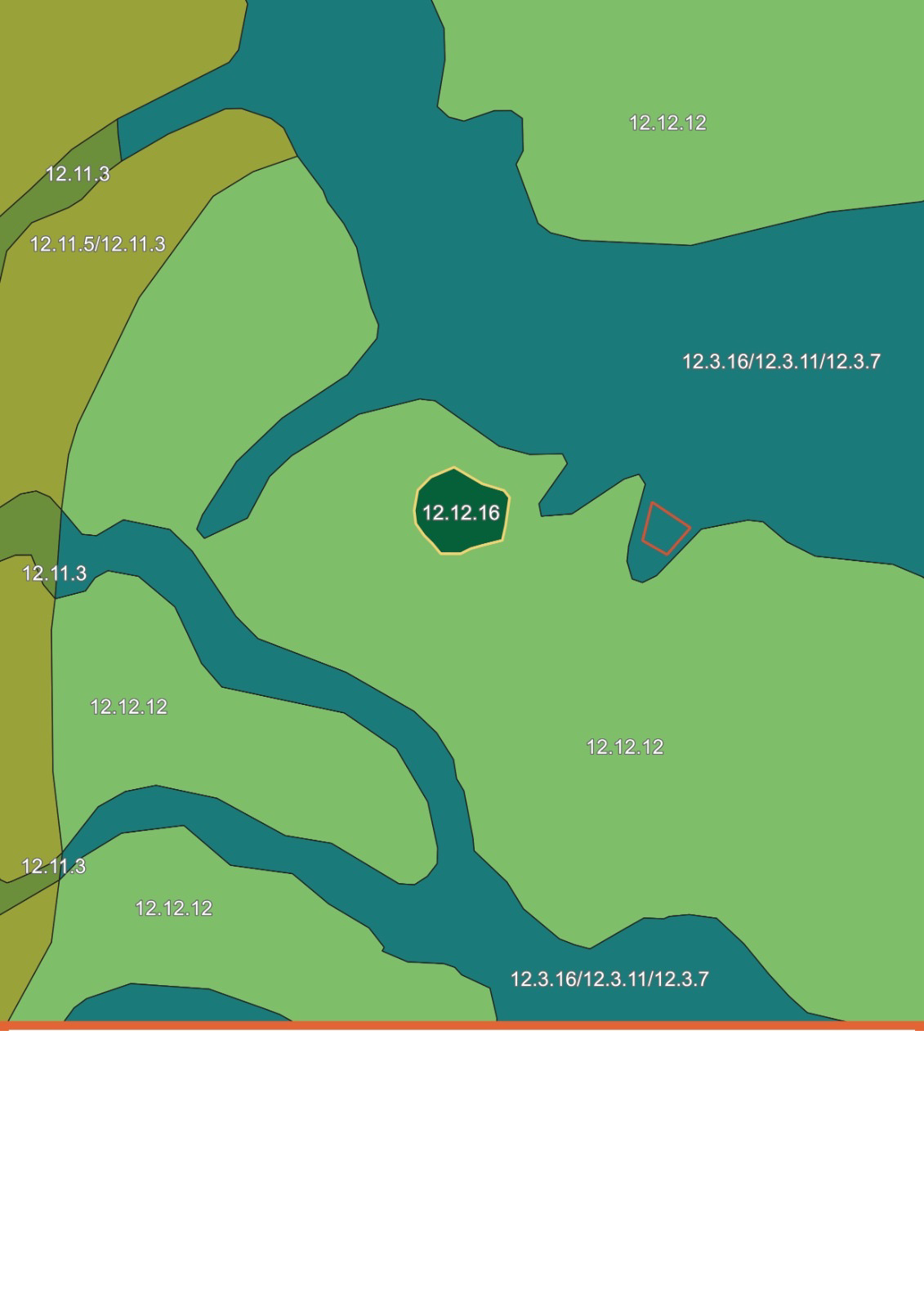
Development of heritage sensitivity and risk models using environmental variables, landform analysis, and existing site distributions, to guide survey design, mitigation strategies, and options assessment.Spatial decision‑support for project planning
Overlay analysis and scenario mapping to test alignment options, avoidance and minimisation strategies, and long‑term management approaches, delivering clear, defensible options analysis for project teams and decision‑makers.
Project example: Queensland government utility
4 Corners Heritage recently partnered with a Queensland government utility responsible for managing extensive linear infrastructure across diverse cultural landscapes. The client held a large volume of cultural heritage data collected over many years, but information was fragmented across multiple systems, formats, and mapping standards, making it difficult to use consistently in planning and compliance.
What we did
End‑to‑end heritage GIS audit
We undertook a comprehensive audit of the client’s existing heritage datasets (GIS layers, tabular records, registers, and reports), assessing data quality, structure, completeness, and alignment with current legislative, corporate, and spatial standards.
Process and workflow review
Working closely with heritage, GIS, and asset management staff, we mapped the client’s current workflows for recording, updating, and using heritage information across business units and project stages.
Spatial data model and standards design
We developed a structured heritage data model and supporting standards, including recommended schemas, naming conventions, attribute fields, and metadata requirements to support future‑proofed data management.
High‑level options analysis
We prepared a high‑level options analysis outlining pathways to improve the management, recording, and interpretation of existing and future heritage data. This included staged implementation options for:
Consolidating datasets into a central geodatabase
Integrating heritage layers with corporate asset and works planning systems
Standardising field data capture and reporting outputs
Introducing governance and QA processes for ongoing data maintenance
Practical recommendations for implementation
Each option was accompanied by indicative resourcing, benefits, and risk considerations, providing executives with a clear decision‑support tool rather than a purely technical report.
Outcomes
The project gave the utility:
A consolidated, clear picture of its current heritage spatial data holdings
A roadmap for lifting data quality and consistency to support planning and approvals
Practical, staged options for embedding heritage GIS into everyday asset and project decision‑making